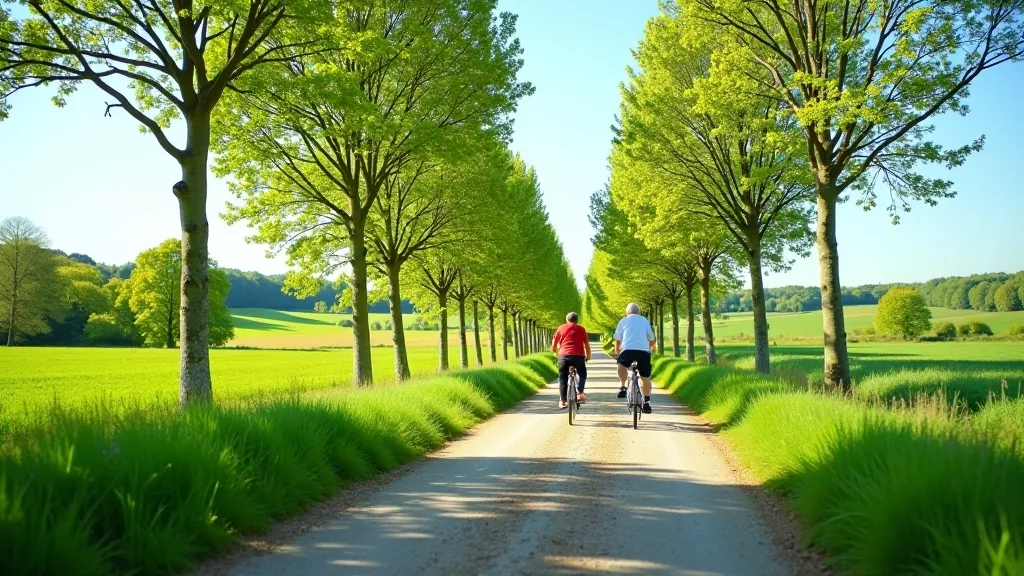
Basic Bike Maintenance Every Senior Should Know
Checking your brakes, adjusting your seat, and fixing a flat tire. Simple tasks that keep you safe and save you money on repairs.
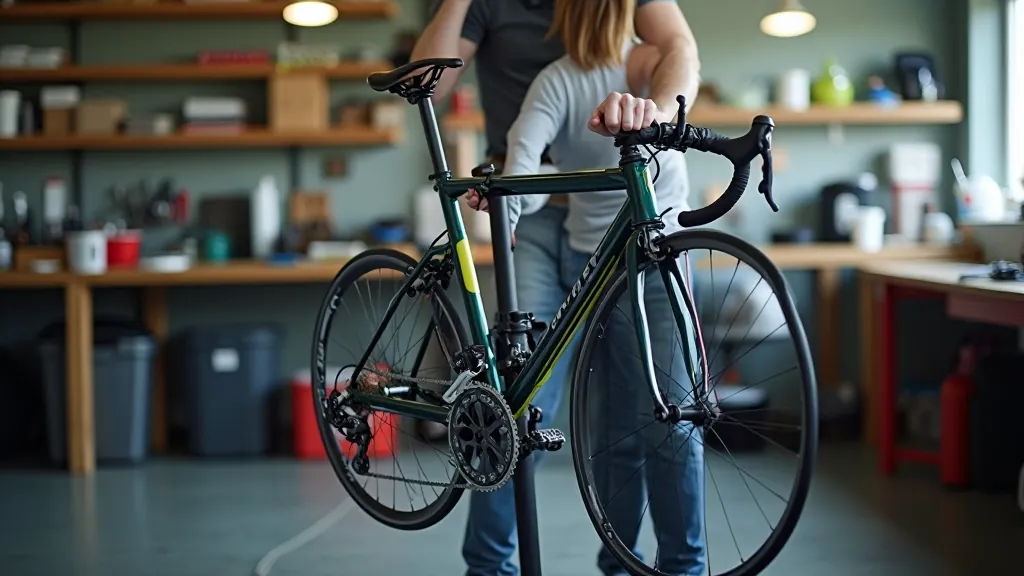

Why Maintenance Matters for Safe Riding
You don't need to be a mechanic to keep your bike in good shape. A few simple checks every month can prevent most problems and keep you riding safely. It's the difference between a smooth ride and struggling with equipment that's working against you.
The good news? Basic maintenance takes less than 30 minutes. Brakes, tires, chain, and seat position are the main things you'll need to monitor. Get these right, and you've covered 90% of what matters. Most senior cyclists we work with notice they feel more confident on the road once they understand how their bike actually works.
Quick truth: A bike that's been properly maintained for six months will outlast one that's neglected by years. You're also less likely to get stranded with a mechanical problem mid-ride.

The Essential Checks: Tires and Brakes
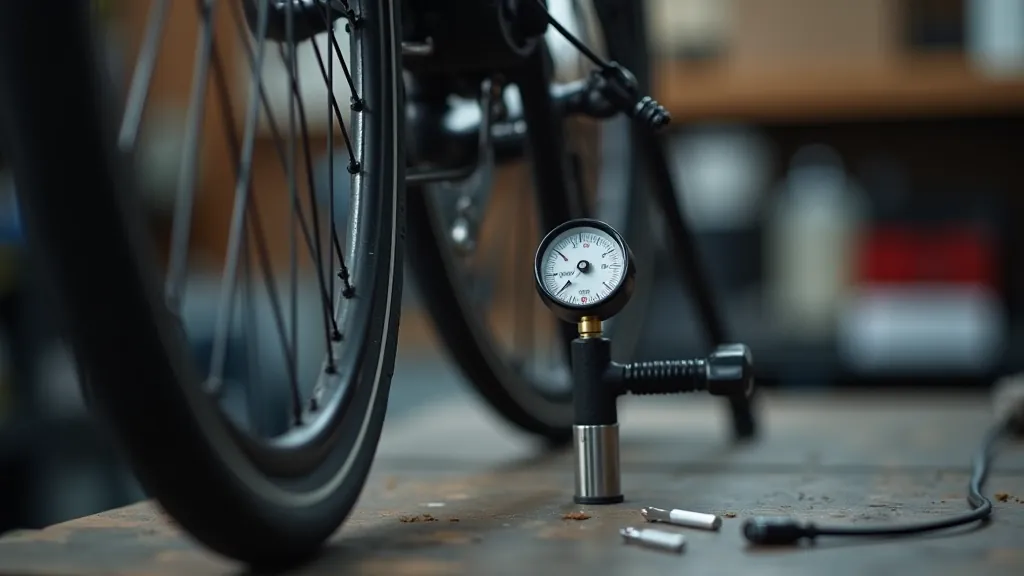
Start with tires. Every ride, spend 30 seconds looking at them. You're checking for obvious damage — cuts, bulges, or anything that looks wrong. Then, squeeze the tire gently with your thumb. It should feel firm but have a slight give. Not rock-hard, not squishy.
If your tire feels soft, grab your pump. Most bike pumps have a gauge on them. Your tire's pressure range is written on the sidewall — it'll say something like "60-80 PSI." Pump it up to somewhere in the middle of that range. You'll be surprised how much better your bike feels with properly inflated tires. Rolling resistance drops, and steering becomes smoother.
Brakes are just as important. Squeeze each brake lever gently. They shouldn't hit the handlebar. There should be resistance — a nice solid feel. If they feel spongy or don't stop you quickly, the brake pads are probably worn. This is worth getting checked at a shop, but it's not an emergency unless your brakes barely work at all.
Important Note
This guide is informational and educational. It's designed to help you understand basic bike maintenance concepts. If you're unsure about any repair or your bike isn't responding as expected, it's always best to have a professional mechanic take a look. Safety comes first.
Seat Position and the Chain
Your seat height makes a real difference to comfort and efficiency. Here's the test: sit on your bike with the pedal at its lowest point. Your knee should have a slight bend — about 25-30 degrees. If your leg is straight, the seat's too high. If you're cramped, it's too low.
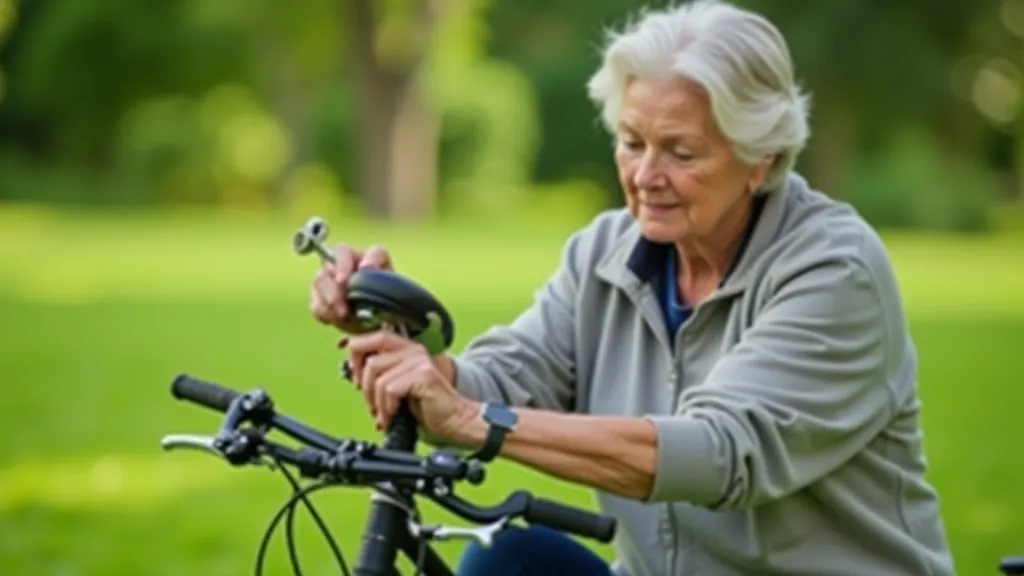
Most bike seats can be adjusted with an Allen wrench. Loosen the clamp under the seat, adjust the height, and tighten it back up. It's a five-minute job that'll save your knees and back from unnecessary strain.
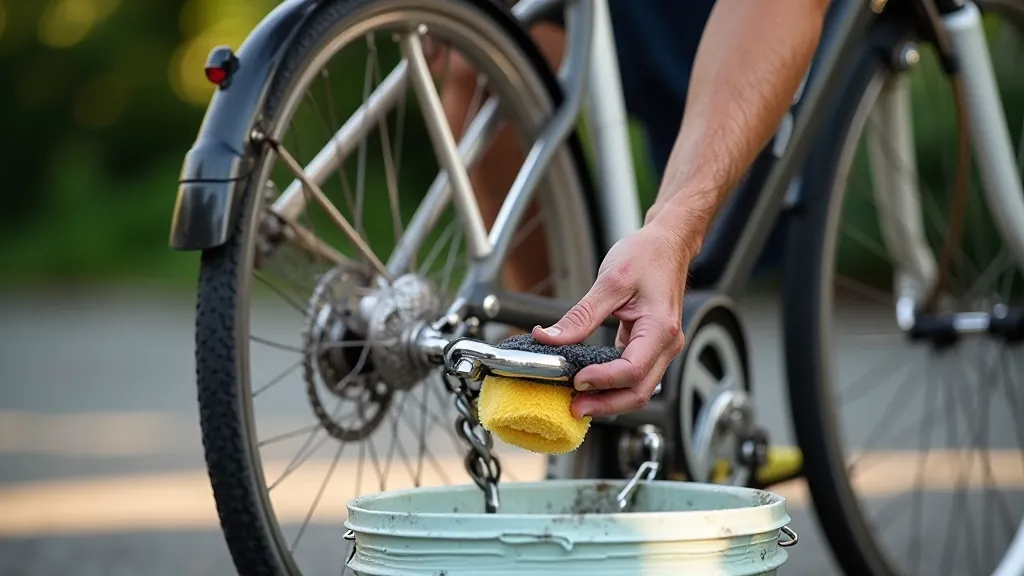
The chain needs attention too. Once a month, look at it. It should be shiny and relatively clean. If it's dark brown or black, it's gathering grime. You can clean it with an old rag and some degreaser. Then apply chain lube — just a drop on each link as you spin the pedals backward. Don't oversaturate it. A well-lubricated chain keeps your bike running smoothly and lasts longer.
Fixing a Flat Tire (It's Not as Hard as You Think)
A flat tire doesn't mean your ride's over. You'll need three things: a tire lever (or two), a pump, and a spare tube or patch kit. Most bike shops sell repair kits for under €15. Worth carrying one every time you ride.
When you get a flat, find a flat surface and remove the wheel. Use the tire lever to pry the tire bead away from the rim. Slide it around the wheel to loosen the entire tire. Pull out the old tube. Check inside the tire for whatever caused the puncture — glass, thorns, sharp rocks. You don't want the same thing happening to your new tube.
Inflate the new tube slightly so it takes shape, then tuck it back into the tire. Use your tire lever to work the bead back onto the rim. This is the tricky part if you've never done it before, but it gets easier. Inflate the tire fully, and you're done. The whole process takes 10-15 minutes once you've practiced once or twice.
Honestly? Most people get their first flat and think they can't manage it. But you can. Thousands of riders in their 60s and 70s do this on every ride. It's a genuinely useful skill to have.
Your Maintenance Schedule
Before Every Ride
Quick visual check of tires and brakes. Takes 60 seconds.
Every Week (or 50km)
Squeeze tires for pressure. Check brakes work smoothly. Look at the chain for grime.
Every Month
Clean and lube the chain. Check seat position. Inspect the frame for cracks or damage.
Every 6 Months
Take it to a professional for a full tune-up. They'll check everything you might've missed.
That's really it. Keep these habits, and your bike will stay reliable for years. You'll spend less on repairs, ride more confidently, and actually enjoy the maintenance rather than dreading it. The Boyne Valley routes are brilliant for cyclists of all levels — make sure your bike's ready for them.
Ready to ride? Explore routes in your area.
Browse RoutesContinue Reading