Start With the Right Bike
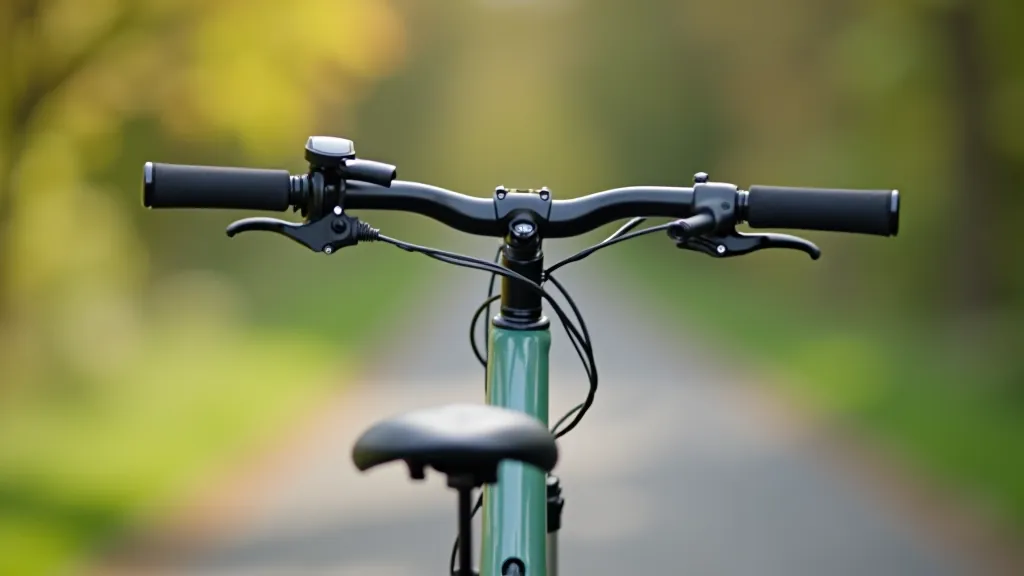
You don't need a racing bike or anything fancy. What you need is something comfortable that won't hurt your back, knees, or wrists after an hour of riding. That's it. Most people overthink this part.
A hybrid or comfort bike works best — they've got upright handlebars so you're not hunched forward, wider seats for actual cushioning, and they're built to handle flat terrain without fussing. You'll spend somewhere between €300-600 for something decent that'll last years. Yes, you can go cheaper, but you'll regret it.
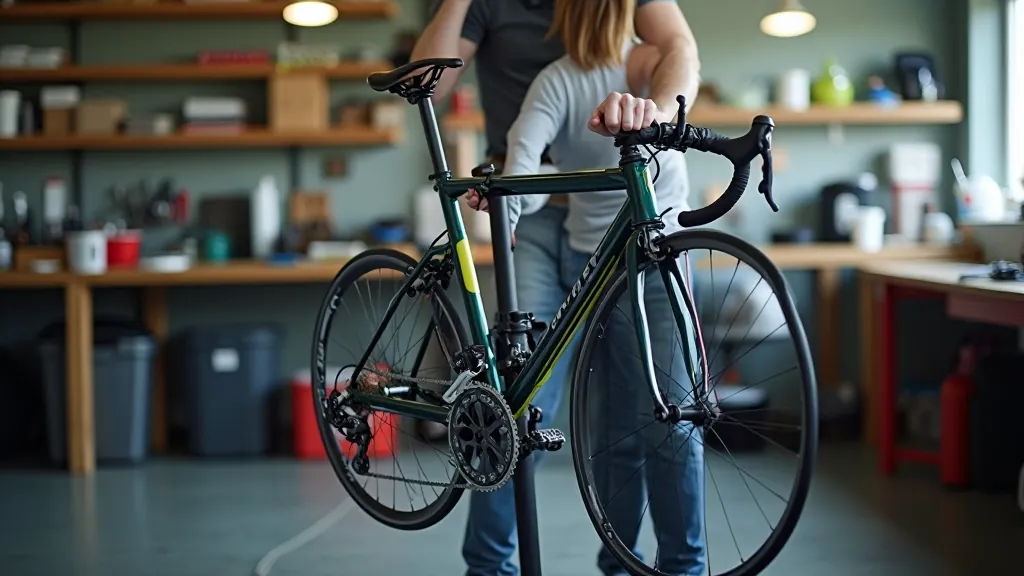
Make sure the seat height is right. When you're sitting on the saddle with the pedal at its lowest point, your leg should be almost straight — not locked, but close. If you have to reach down or stretch too far, your knees will let you know about it. We've seen it happen.
"The bike should feel natural, not like you're fighting it. Get one that fits your frame, not the other way around."
Safety Gear That Actually Works
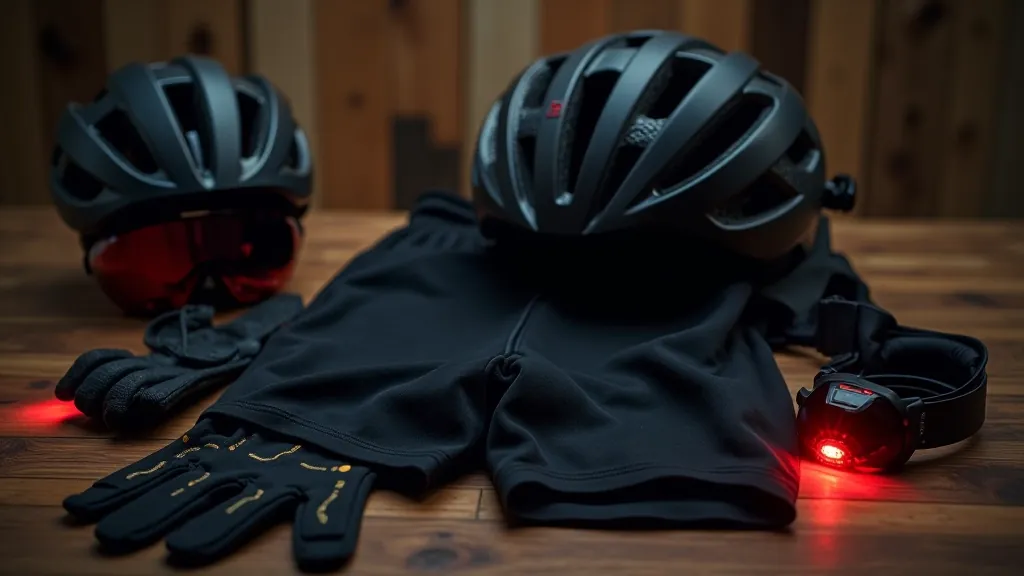
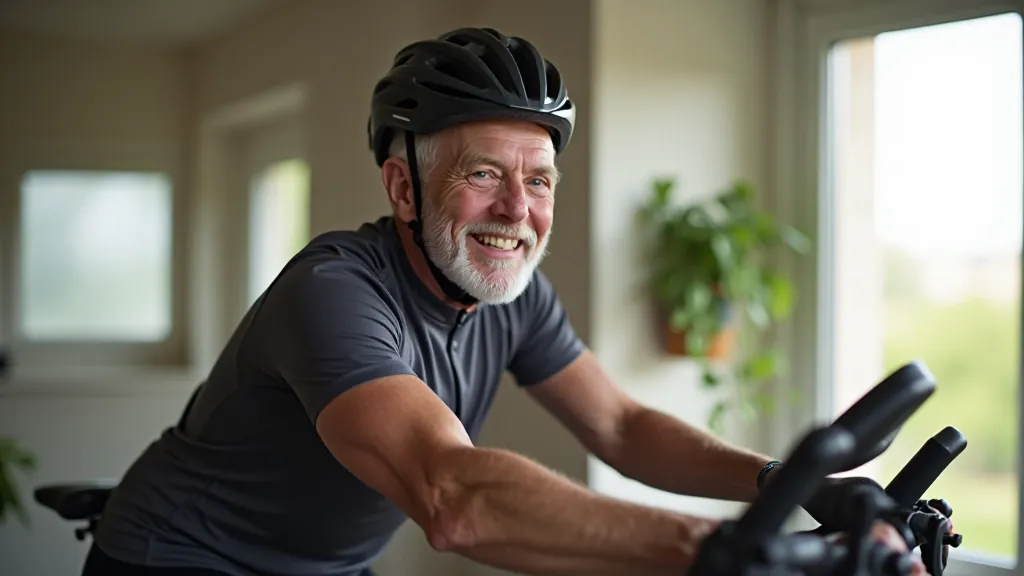
A helmet. Full stop. We're not being dramatic — one fall at 15 kilometres per hour can crack your skull. Get one that fits snugly, sits level on your head, and has good reviews. Brands like Giro, Bell, and Specialized make solid options around €60-100.
Padded shorts are worth the money. Seriously. Your backside will thank you after 45 minutes on a saddle. You don't need cycling-specific bibs — regular padded shorts from any decent outdoor brand work fine. €40-60 gets you something that lasts.
Gloves with padding protect your hands if you fall, and they help grip the handlebars in wet weather. €15-25. Lights front and back — not optional if you're riding in the evening. €20-30 for a decent set that actually lights up the road instead of just being visible.
That's your core setup. Everything else is optional but useful — high-visibility vest if you're nervous about traffic, a small saddle bag for your phone and keys, maybe padded arm sleeves if you fall a lot and want extra protection.
Note: This guide is informational. If you have pre-existing joint conditions, balance issues, or concerns about your fitness, consult your doctor before starting a new cycling routine. Every person's physical situation is different, and professional medical advice is important for your safety.
Building Your Fitness Slowly
Don't start with 20 kilometres. That's how you get injured and hate cycling. Start with 5 kilometres on flat terrain — maybe 20-30 minutes of actual riding. You'll feel it in your legs, sure, but you shouldn't feel pain. There's a difference.
Most people notice improvement in about 3-4 weeks. Your legs get stronger, your cardiovascular fitness improves, and riding stops feeling like a chore. But you won't see that if you burn out in week one by pushing too hard.
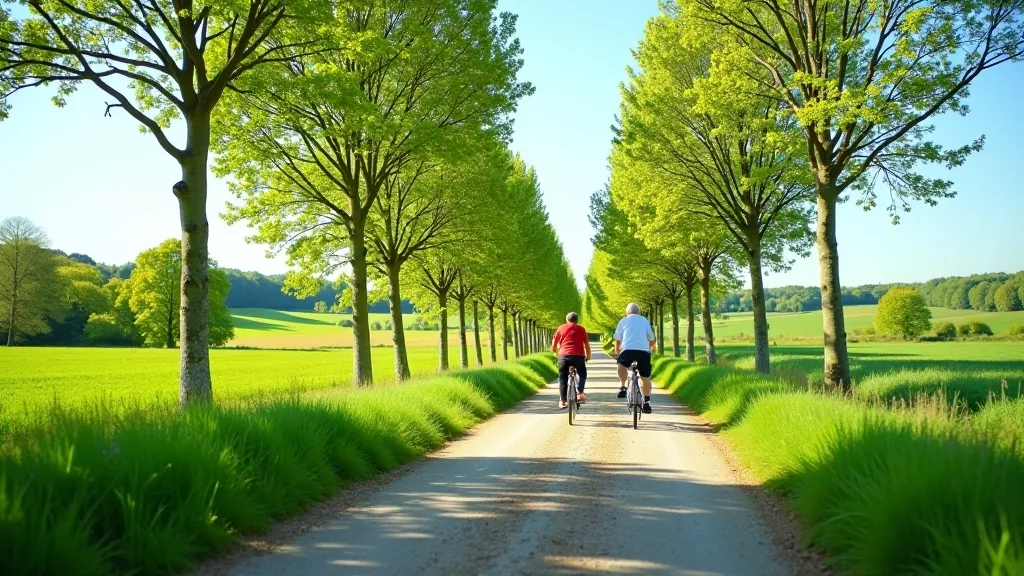
Ride twice a week to start. That's enough to build fitness without overdoing it. After a month, you can bump it to three times if you're feeling good. The Boyne Valley routes are perfect for this — they're flat, scenic, and they've got rest stops where you can catch your breath.
What Happens After Your First Ride
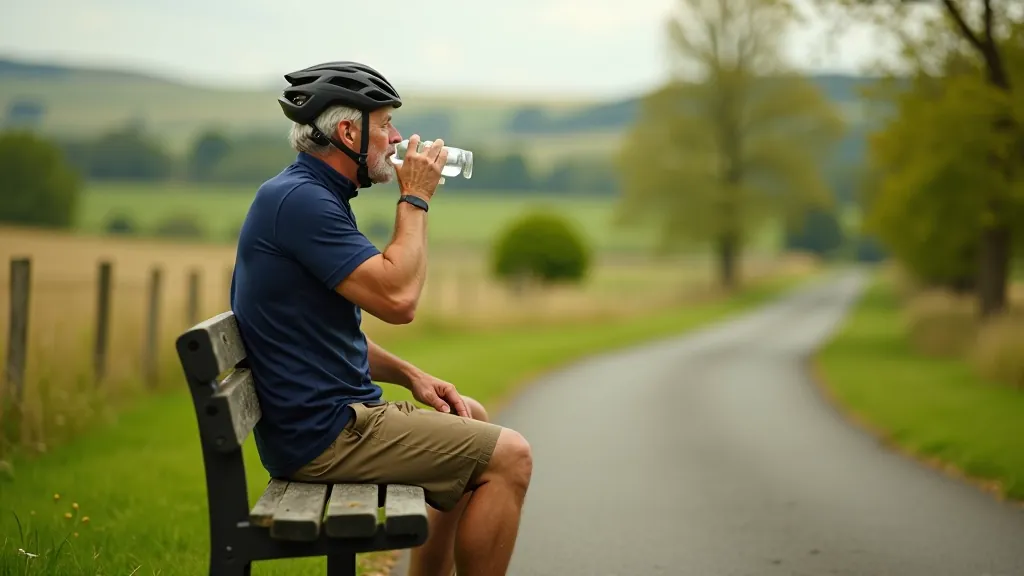
You'll probably be sore for 2-3 days. That's normal. Your muscles aren't used to cycling yet. Don't stretch aggressively — just move gently and keep your legs active with light walking. Soreness gets better after the second ride, and by the third you'll barely notice it.
Some people get sore knees or lower back pain on the first few rides. If it's sharp pain, stop and rest. If it's a dull ache that goes away after a warm-up, it's probably just your body adapting. Still, don't ignore real pain. Get the bike adjusted or talk to someone who knows bikes.
After week two, something clicks. You'll actually look forward to riding instead of dreading it. You'll notice you're breathing easier on climbs. Your legs feel stronger. You might even explore a new route. That's when you know it's working.
The Realistic Picture
Cycling at 60+ isn't about setting speed records or winning races. It's about getting outside, building strength without destroying your joints, and actually enjoying yourself. You're not competing with anyone. You're just riding a bike through nice scenery at your own pace.
That's the whole point. You've got the time, you've got the space — the Boyne Valley routes are some of the flattest in Ireland — and you've got the ability to do this. You just need a decent bike, some basic gear, and the willingness to start small and build from there.
Everything else is details.