

Why the Boyne Valley Matters for Your Cycling
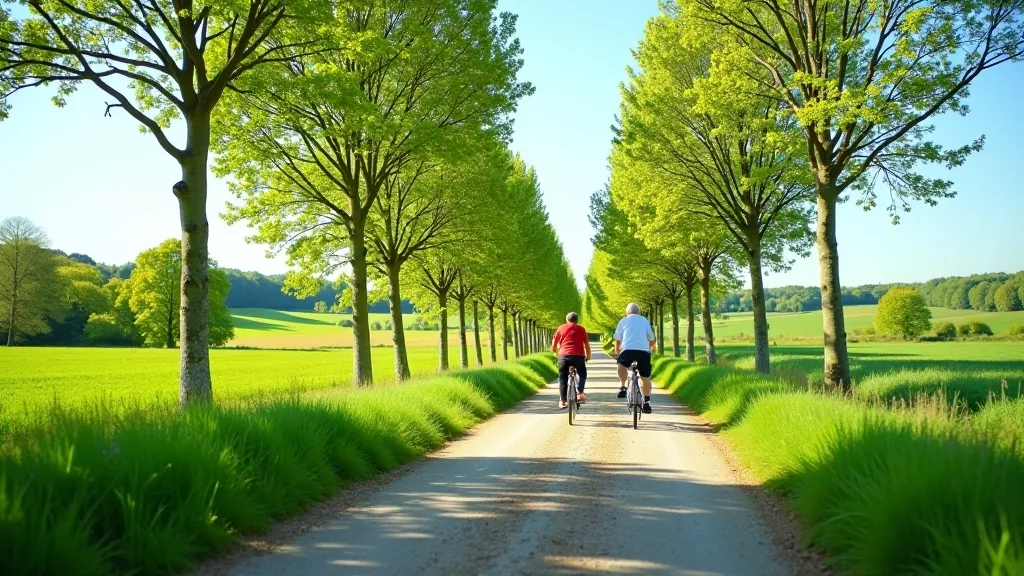
The Boyne Valley in County Meath isn't just beautiful — it's flat, which matters if you're cycling at a pace that suits you. There's no grinding uphill or fighting gravity. You get history, countryside views, and genuine Irish heritage without the muscle strain. That's why these routes work so well for riders who want to enjoy the experience rather than prove something.
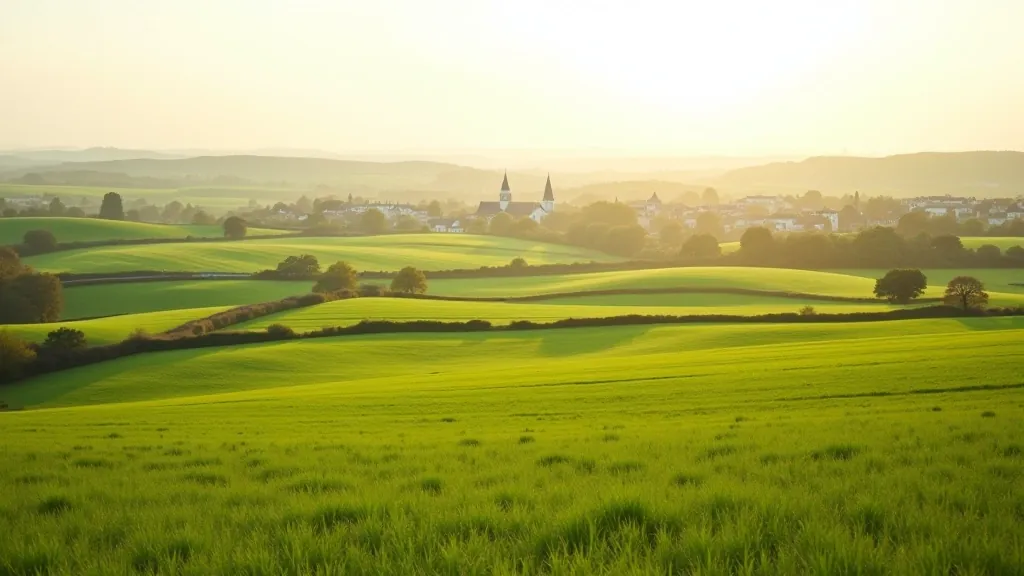
What you're really getting here is freedom. The ability to stop whenever you want. To chat with someone. To actually notice the river, the old stone walls, the way light hits the fields at different times of day. These aren't racing routes. They're routes for living.
All three routes are flat — no surprise climbs or steep descents. The terrain is predictable, which means you can focus on pacing and enjoying yourself instead of worrying about what's coming next.
The Five-Kilometre Loop: Newgrange and Back
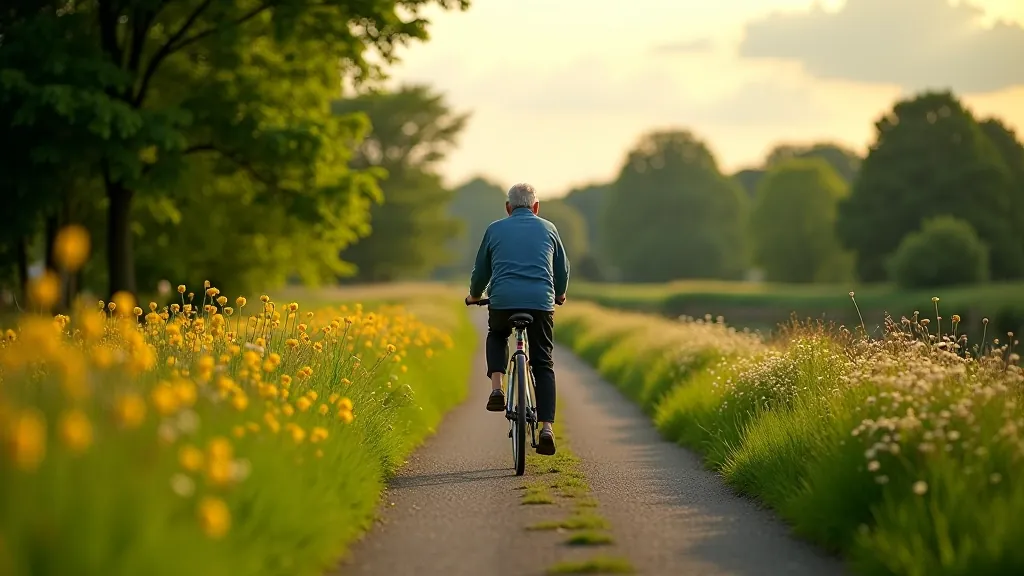
Start in Slane village. The route follows quiet lanes past Newgrange — one of Ireland's most significant archaeological sites, older than Stonehenge. You don't need to stop (though you might want to). The road hugs the Boyne River for about three kilometres, then loops back through farmland to your starting point.
This is your warm-up option. Five kilometres takes about 25–30 minutes at a relaxed pace, with plenty of time to look around. The lanes are narrow but quiet. You'll see stone walls, hedgerows, and the occasional farm gate. It's the sort of ride where you can actually hear yourself think — no traffic, no rush. Just you, your bike, and countryside that's been there for thousands of years.
The terrain is completely flat. No surprises. No climbs disguised as "gentle inclines." You could do this loop twice if you wanted more distance without changing location or worrying about navigating elsewhere.
Please note: These routes are for general cycling interest and educational purposes. Conditions change with seasons and weather. Always wear a helmet, check your bike before riding, and bring water and a basic repair kit. If you're new to cycling or have health concerns, consult your doctor before starting.
The Ten-Kilometre Route: Drogheda and the Boyne
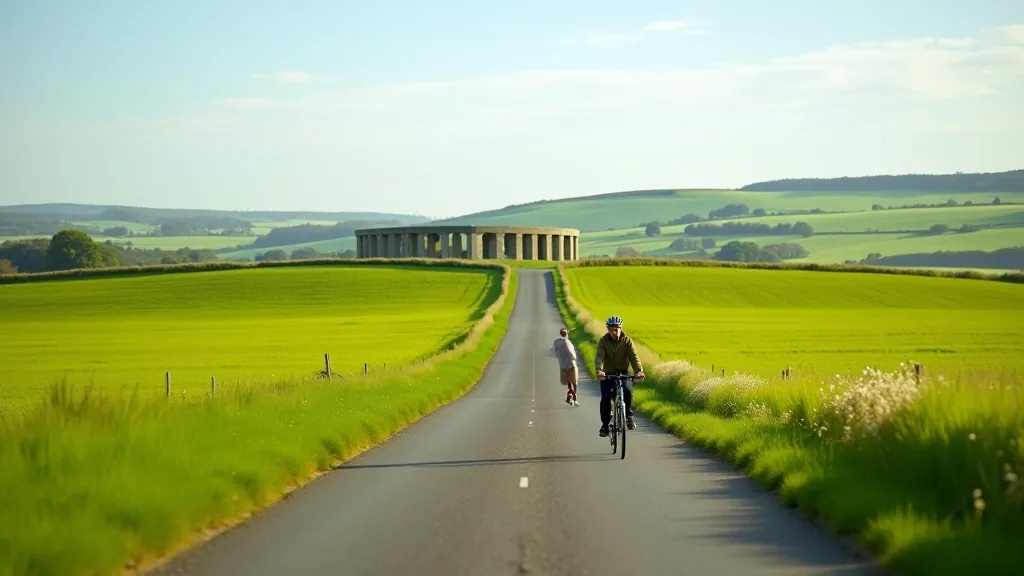
This is your middle-distance option. Starting from the same point in Slane, you'll cycle along the river valley toward Drogheda, where you'll cross the Boyne and return via a slightly different path. It's about ten kilometres total, taking roughly 45 minutes to an hour at a steady pace.
The route gives you more river time. You're alongside the water for longer stretches, and you'll pass through smaller villages where you can stop for a rest. There's a shop in Donore where you can grab water or a snack. The road surface is good — mostly smooth tarmac with occasional rougher patches that you'll barely notice.
This distance works well if you've done a few rides already and want to build a bit more endurance without committing to a full afternoon. It's achievable in one outing without feeling rushed, and you'll cover enough ground to feel like you've genuinely explored the valley.
The Fifteen-Kilometre Challenge: Full Valley Loop
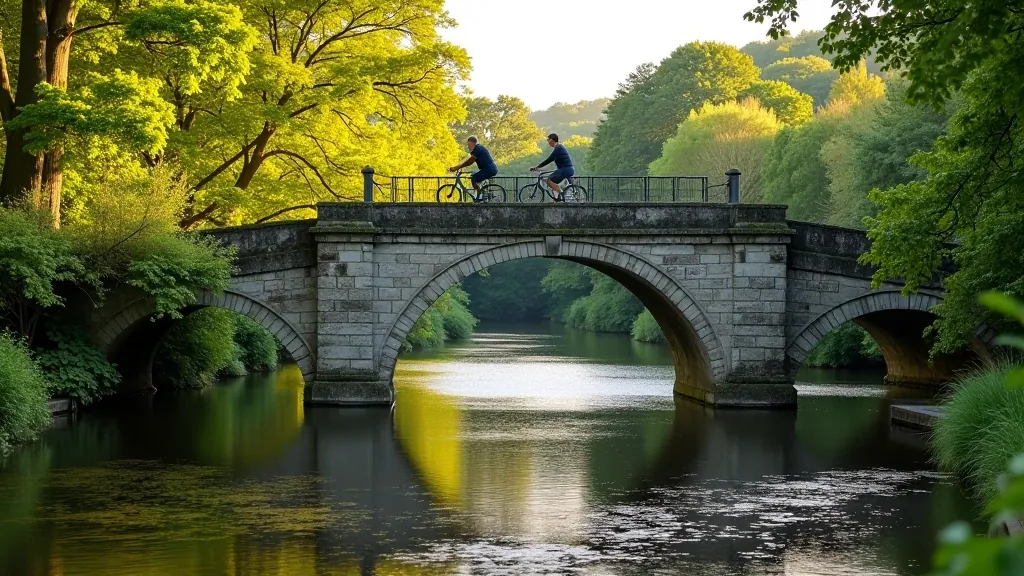
If you're looking for a proper morning or early-afternoon outing, this is it. The full loop covers about fifteen kilometres and takes roughly 90 minutes at a comfortable pace. You'll start in Slane and essentially circle the valley, passing through villages, along riverside sections, and through quiet farmland before returning to your starting point.
What makes this loop special is the variety. You're not cycling the same roads twice. The route takes you past multiple historical sites — stone crosses, old churches, heritage markers — without requiring detours. They're just there as you ride past, which means you can stop if something catches your eye or keep moving if you'd rather stay on schedule.
The landscape changes as you cycle. River valley gives way to open fields, then small villages, then back to quieter lanes. It's long enough to feel like an achievement but not so long that it becomes a slog. Most people find it satisfying — they've done real distance, they've seen the valley properly, and they're not exhausted.
Getting the Most From Your Route
Bring water. Seriously. Even on cool days, you'll want water every 30 minutes or so. A small backpack works fine. Pack a basic repair kit too — spare tube, pump, multi-tool. You probably won't need it, but if you do get a puncture on a quiet lane, you'll be grateful it's there.
Wear a helmet. We know you've heard this before. But on quiet country roads where cars appear suddenly around bends, it's the difference between a close call and a serious problem. It takes two seconds to put on.
Start early if you're doing the longer routes. Morning light is better for photography if you want to capture the valley, and you'll avoid afternoon heat. Plus, fewer cars on the road means quieter cycling. You're there to enjoy it, not race it.

Choosing Your Route
Pick based on how you're feeling that day, not what you think you "should" do. If it's your first time out in a while, the five-kilometre loop is perfect. You'll finish with energy left over, which means you'll want to come back. That's the point — building a habit, not proving something.
If you've been cycling regularly and want to explore more, the ten-kilometre route gives you river time and village stops without being overwhelming. The fifteen-kilometre loop is for days when you've got time and genuinely want to see the whole valley.
None of these routes have significant climbs. None of them require special fitness. What they require is a bike in working order, a helmet, and willingness to spend 30 minutes to 90 minutes outside. That's genuinely enough.